
Much of Africa lacks access to basic medical care. And as for acute care in rural areas where hospitals and specialists are rare? Even more problematic.
But in Cameroon, Arthur Zang is ushering in a new era of cardio care. His Cardio-Pad is about the size of an iPad mini but has huge potential to treat cardiovascular patients in remote central Africa and beyond.
Zang, a computer science engineer, began toying with merging technology and medical care in 2009, when he was attending college in Yaounde. While he interned at a local hospital, his mentor became cardiologist Samuel Kingue, who taught Zang about heart-monitoring equipment and inspired him to create a portable device that could help detect cardiovascular diseases, an emerging health issue in Cameroon.
Following graduate school, Zang started developing heart-monitoring computer software. Determined to build his own portable device, he learned about electronics and computer hardware through the Internet.
He was well into development when his uncle died from a stroke. ‘This gave me extra motivation to see the project through,’’ he says.
Lacking venture capital, Zang convinced his mother, a nurse, to obtain a bank loan for initial funding that enabled him to complete a prototype. Needing further funding, Zang produced YouTube videos to highlight the Cardio-Pad, attracting money from Cameroon’s government.
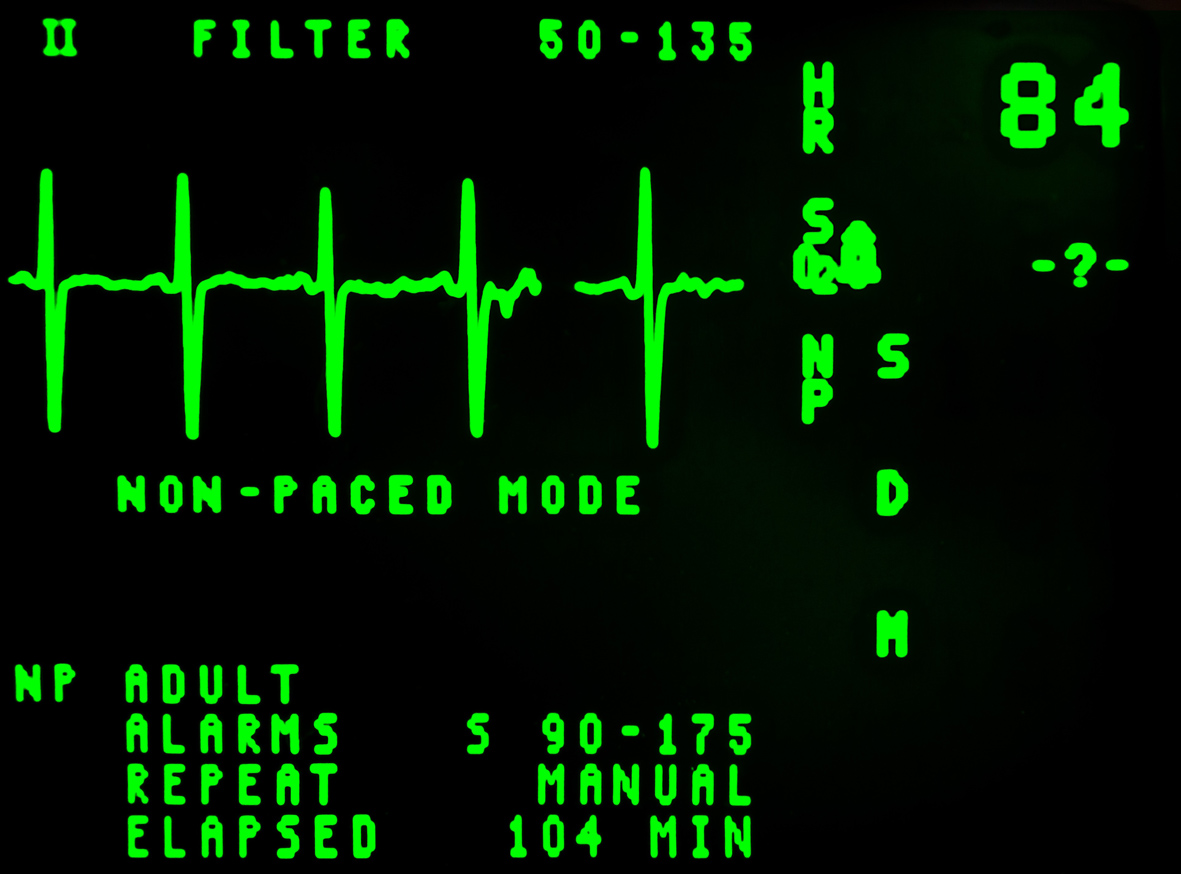
This, combined with funding from his 2014 Rolex Award for Enterprise, allowed Zang to improve the Cardio-Pad’s functionality by expanding a four-sensor prototype to a 12-sensor model, which he says provides a broader heart diagnosis. (Signals from wireless electrodes attached to a patient enable the Cardio-Pad to assess heartbeat, the size and position of the heart’s chambers, and any damage. The results are relayed to a cardiologist, who downloads the data remotely and sends back a diagnosis and treatment protocol).
Zang worked with a Chinese manufacturer to build 30 Cardio-Pads. He’s since started Cameroon-based Himore Medical Equipment, which produces Cardio-Pads and diagnostic kits for about $3,200. So far, Himore has sold nearly 70.
Zang, 29, hopes to expand sales throughout Africa and beyond and to eventually develop a broader array of portable medical devices.
‘Millions can benefit from our work,’ Zang says, ‘potentially around the world.’
Written by Gary Strauss. This story was sourced from the National Geographic website.


